Veneer Matching Guide: Book Match, Slip Match and More
Matching decides how the leaves of a veneer sheet are laid side by side, and so how the grain reads across a door, a wall or a table. Here are the main matches, with a diagram of each.
01 — Why matching matters
A veneer sheet is made of several narrow leaves cut one after the other from the same log. How those leaves are arranged changes the whole look: a mirror effect, a repeating stripe, a plank look. The choice also affects how much veneer is needed. Matching is chosen at the quote stage, together with the species, the cut and the grade.
02 — The main matches
Whole piece
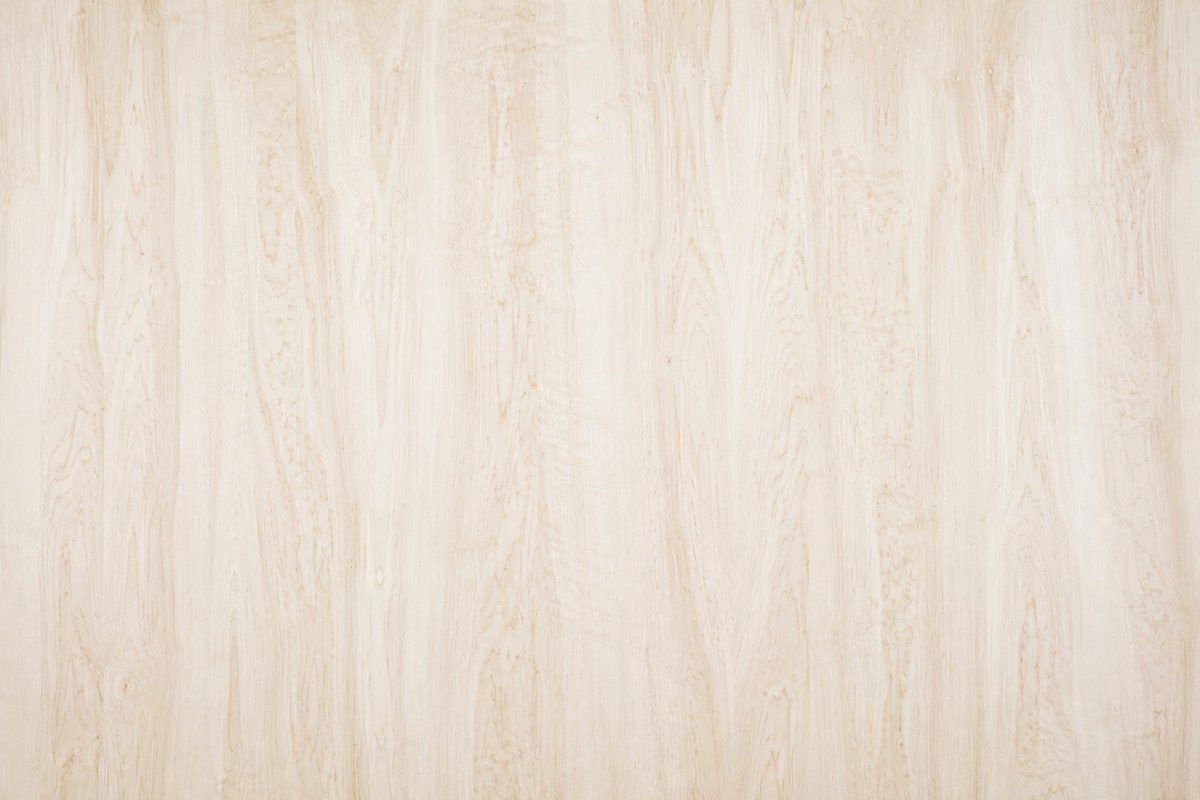
No jointsA single leaf of the desired size, typically rotary cut. The sheet has no joints at all.
Large surfaces where no seam may show.
Book match
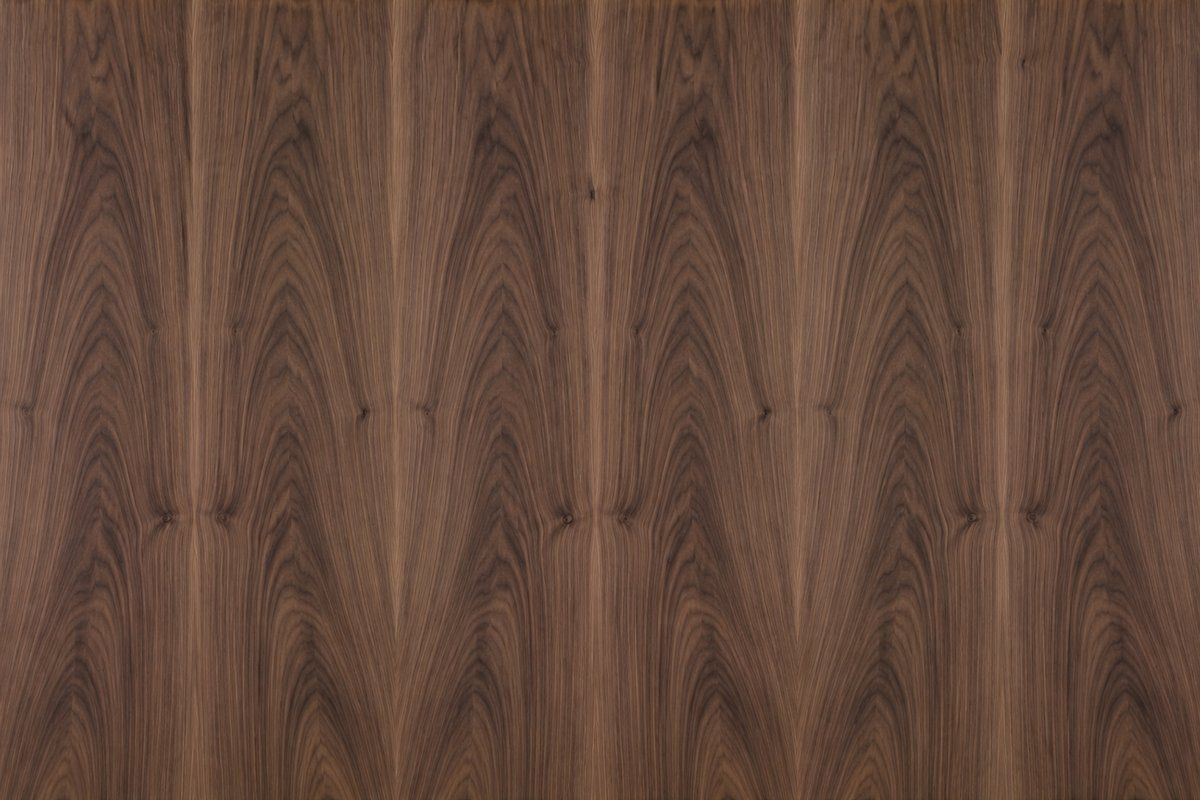
Mirror effectAdjacent leaves from the same log are opened like the pages of a book, alternating, and glued together.
Doors, wall panels and furniture fronts where a symmetrical look is wanted.
Slip match
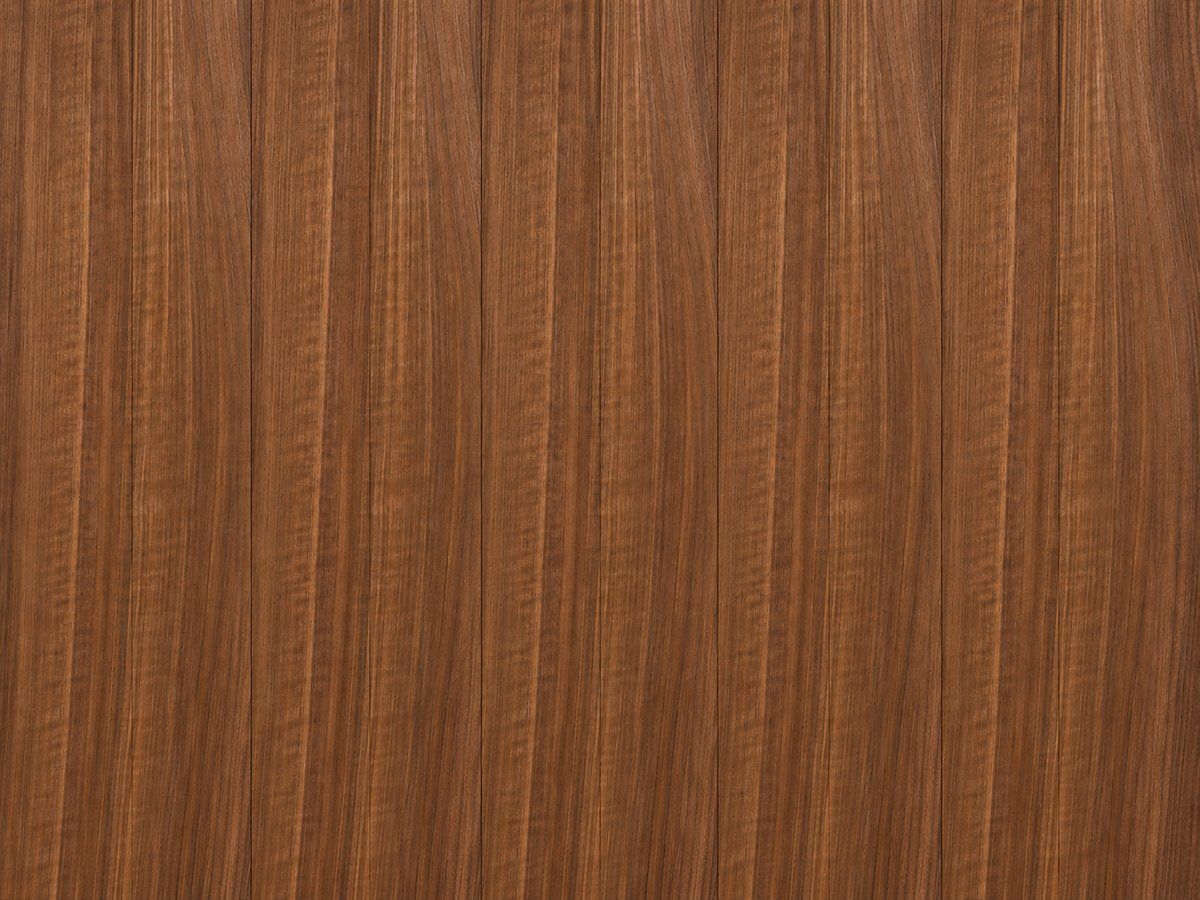
Repeating grainAdjacent leaves are slid side by side, always facing the same direction, and glued together.
A regular, repeating stripe, especially in quarter-cut or rift veneer.
Slip and swing
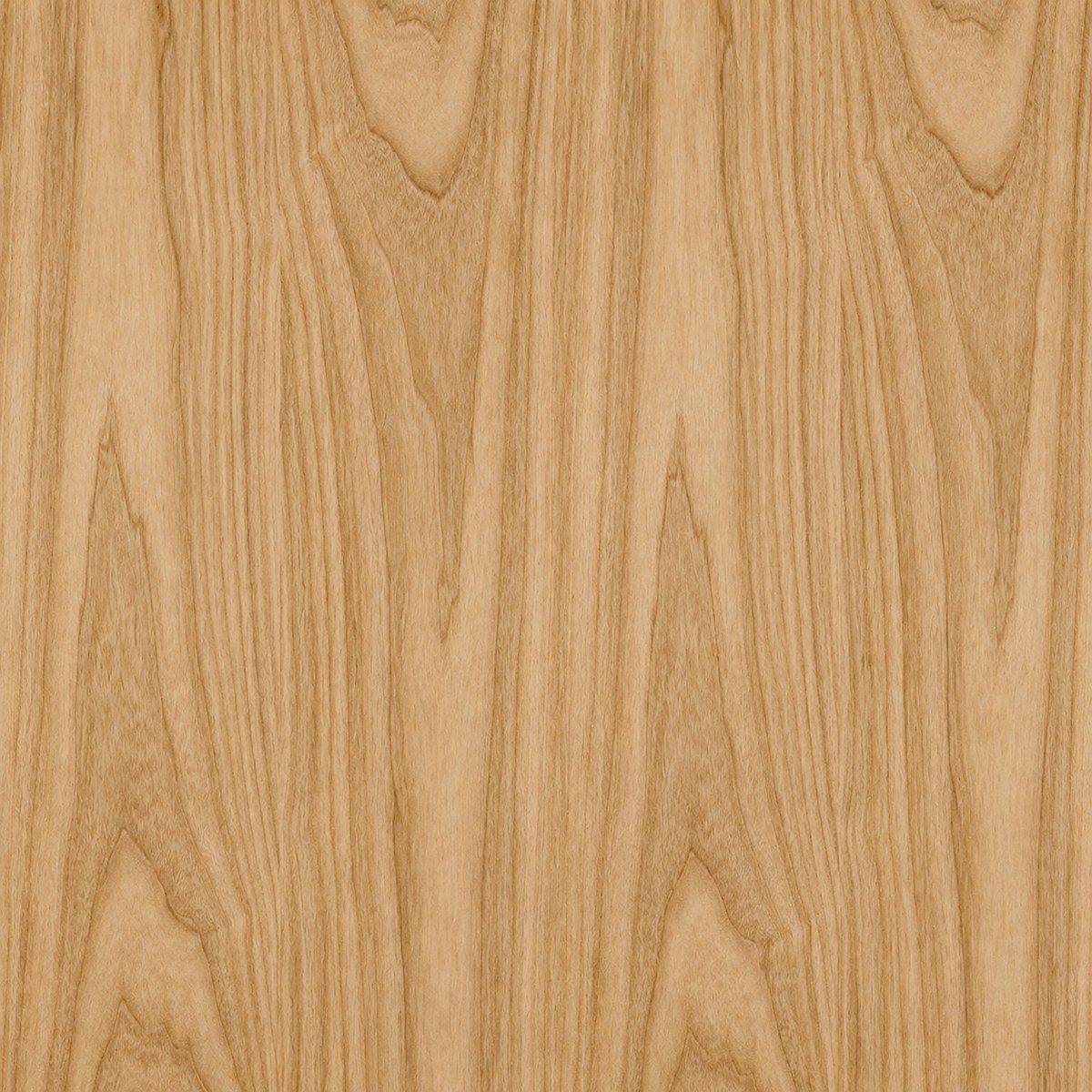
Alternating endsAdjacent leaves are flipped end for end in alternation instead of slid in the same direction.
A repeat pattern different from standard slip matching.
Random match
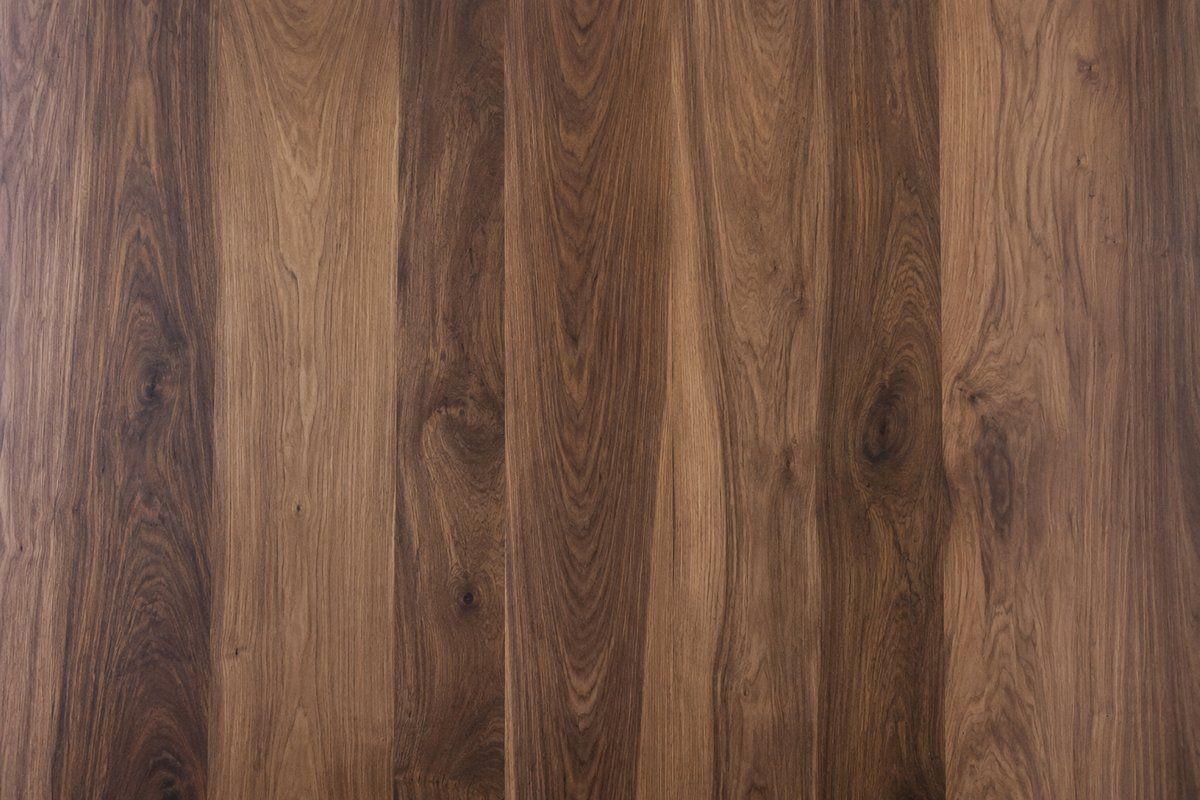
Plank effectLeaves of the same species with dissimilar grain and colour, to simulate boards.
A natural, rustic plank look.
Balance match
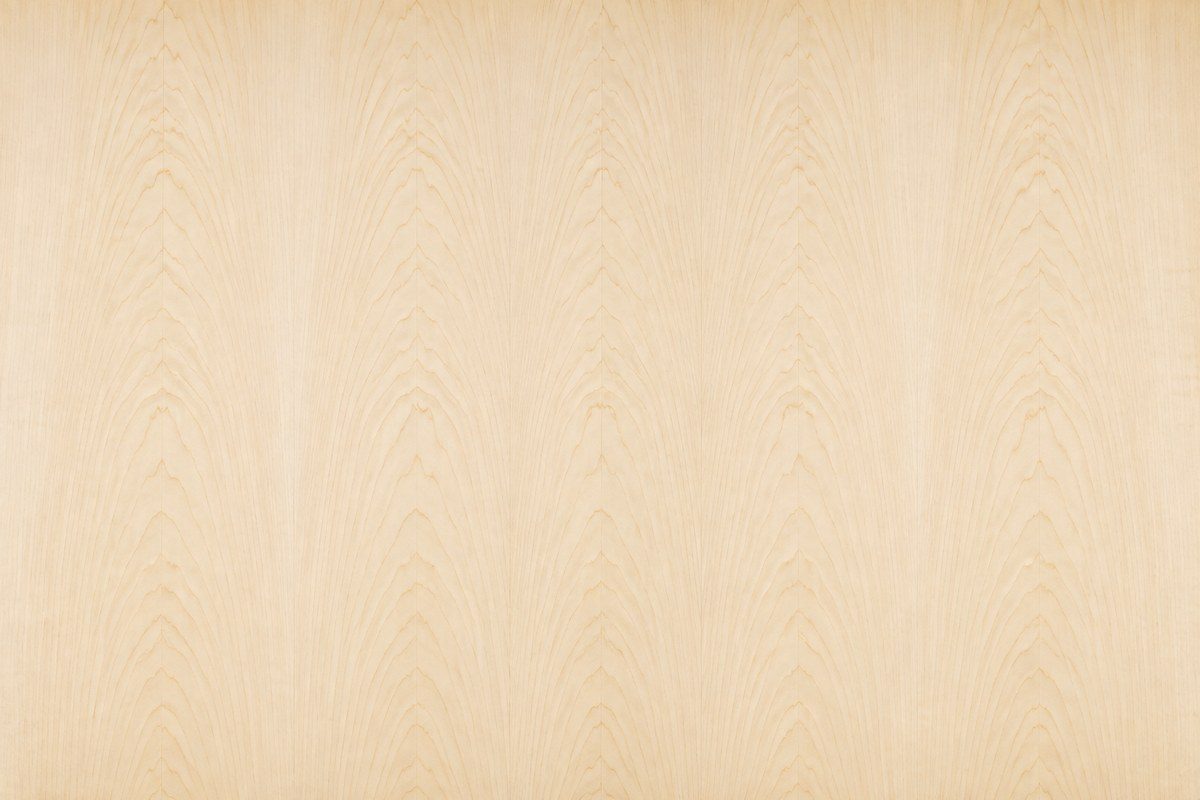
Even leavesEach sheet is assembled from an even or odd number of leaves of uniform width.
Orderly, regular faces.
Diamond match
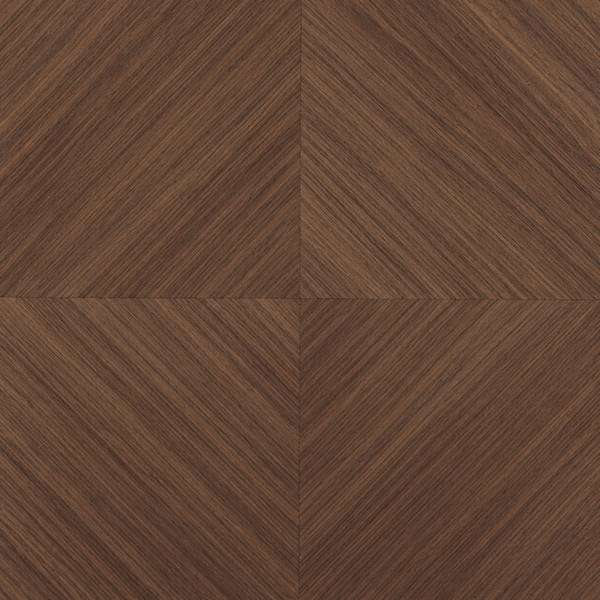
DecorativeFour leaves cut on the diagonal, with the grain of each pointing toward the center, make a diamond.
Feature panels, tabletops and accents.
V match
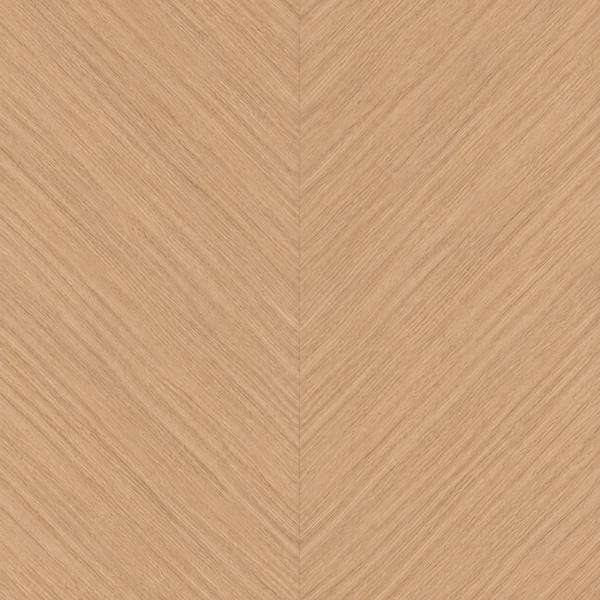
ChevronTwo leaves cut on the diagonal and laid in mirror image form a single continuous V at the center.
Feature walls and furniture fronts with a graphic effect.
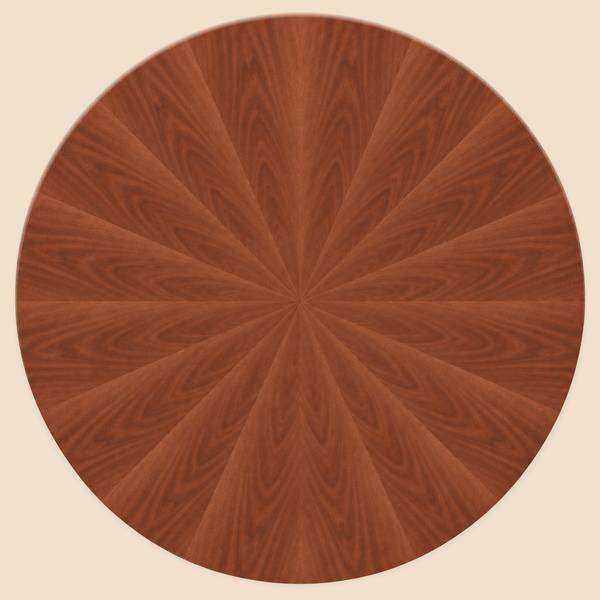
Sunburst match
MedallionMany triangular leaves around a central point, the grain of each radiating outward.
Tabletops and circular medallions.
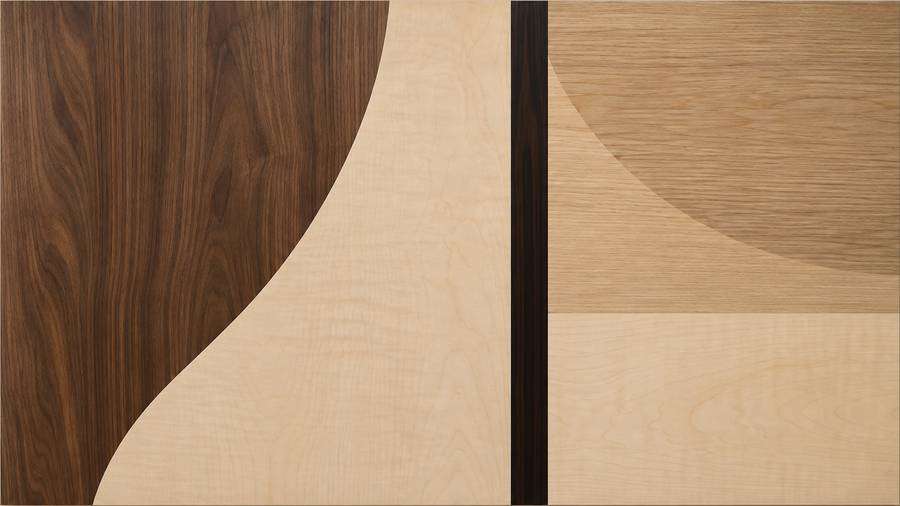
Marquetry
Free-formDifferent species and colours are cut and juxtaposed to create a decorative or artistic composition.
One-of-a-kind decorative panels and insets.
03 — Choosing a match
| If you want… | Consider |
|---|---|
| A calm, symmetrical face | Book match |
| The same stripe repeated across the panel | Slip match |
| A plank-like, natural variation | Random match |
| No seams at all | Whole piece |
| A graphic feature | Diamond, V or sunburst match |
| A continuous pattern across several panels | Sequence-matched panels |
04 — Matching across several panels
On a wall of panels, the matching can run from one panel to the next if the leaves come from the same log in cutting order. This is sequence matching, and it is how architectural walls are built. See our architectural wood panels. The other matches, grades and cuts are covered in veneer cutting and matching and in our guide to wood veneer grades.
Not sure which match to choose? Our team can guide you before you prepare your quote.