Cutting & Matching
Veneer cutting and matching techniques, explained to help you make the right choices before requesting your quote.
Cutting Techniques
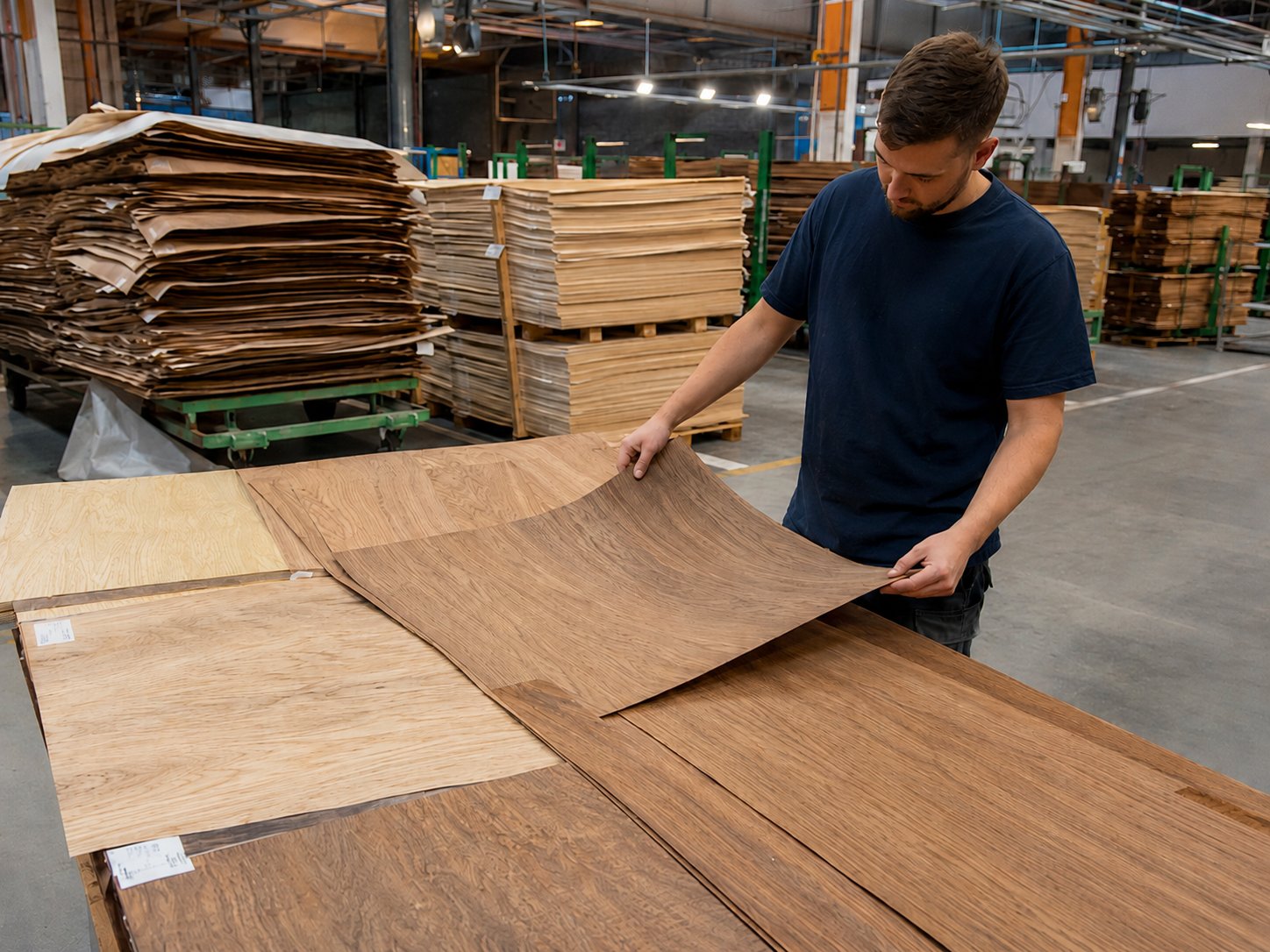
The cutting method determines the grain appearance of each veneer sheet.
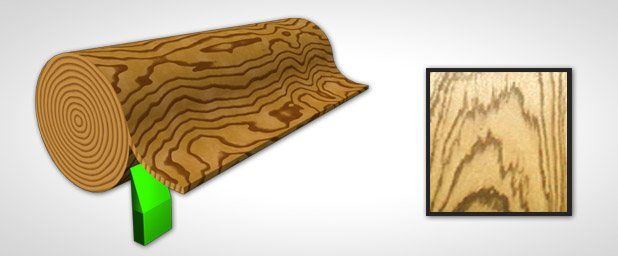
Rotary Cut
The log rotates on itself against a blade that penetrates the wood at a shallow angle.
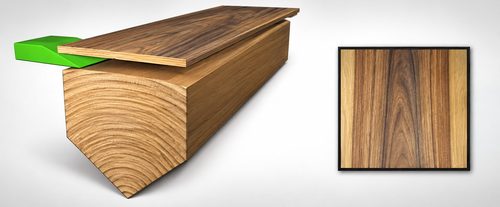
Flat Cut
Half a log is sliced parallel to a center line running through the log's core, giving the grain a cathedral or crown structure.
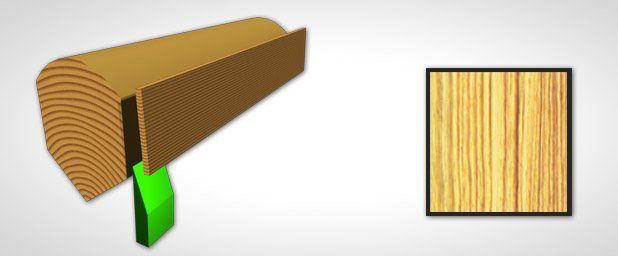
Quarter Cut
The cut is made perpendicular, at 90 degrees, to the tree's growth rings.
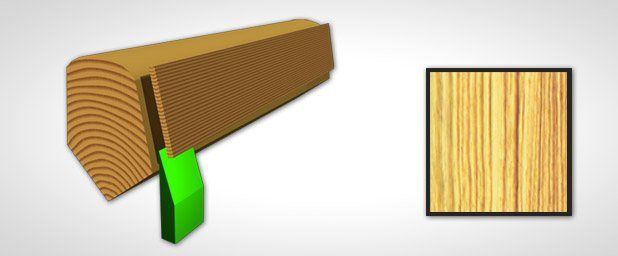
Rift Cut
The cut is made at an angle roughly 15 degrees off the perpendicular position of quarter slicing.
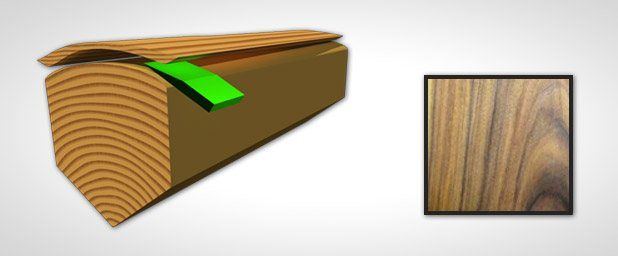
Half-Round
A variation of rotary cutting using a half log; the cut runs slightly across the growth rings.
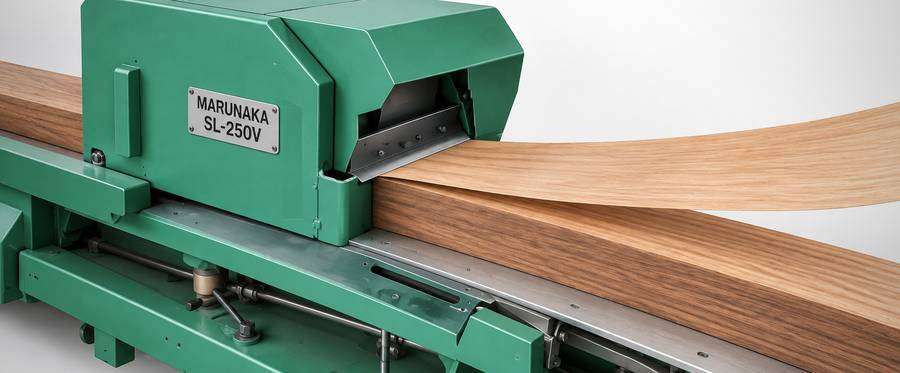
Marunaka
Veneer produced by a Marunaka slicer is obtained through lengthwise slicing, which cuts raw lumber boards directly into veneer sheets. Its only drawback: it cannot produce sequenced sets of leaves. Its advantage: it allows the veneer thickness to be easily varied.
Matching Types
Matching determines how veneer sheets are assembled and joined together.
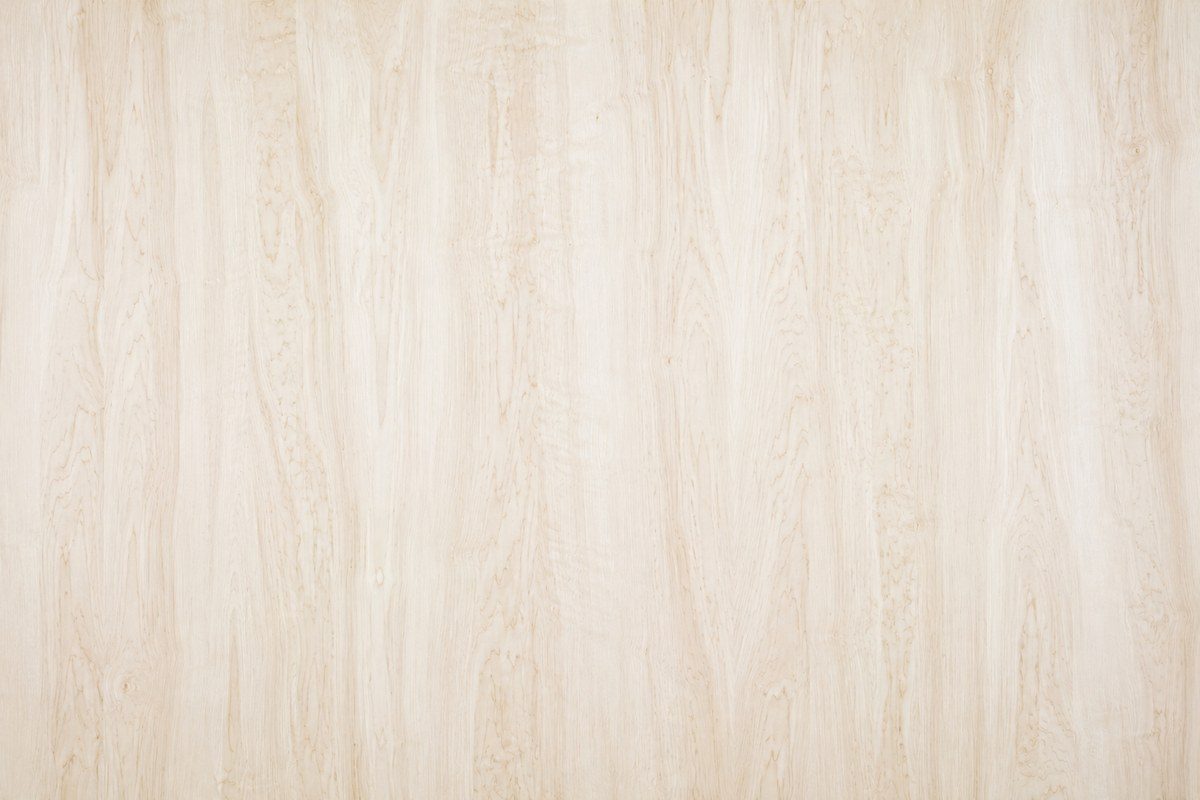
Whole Piece Rotary
A single leaf of the desired size is used, so the veneer sheet has no joints at all.
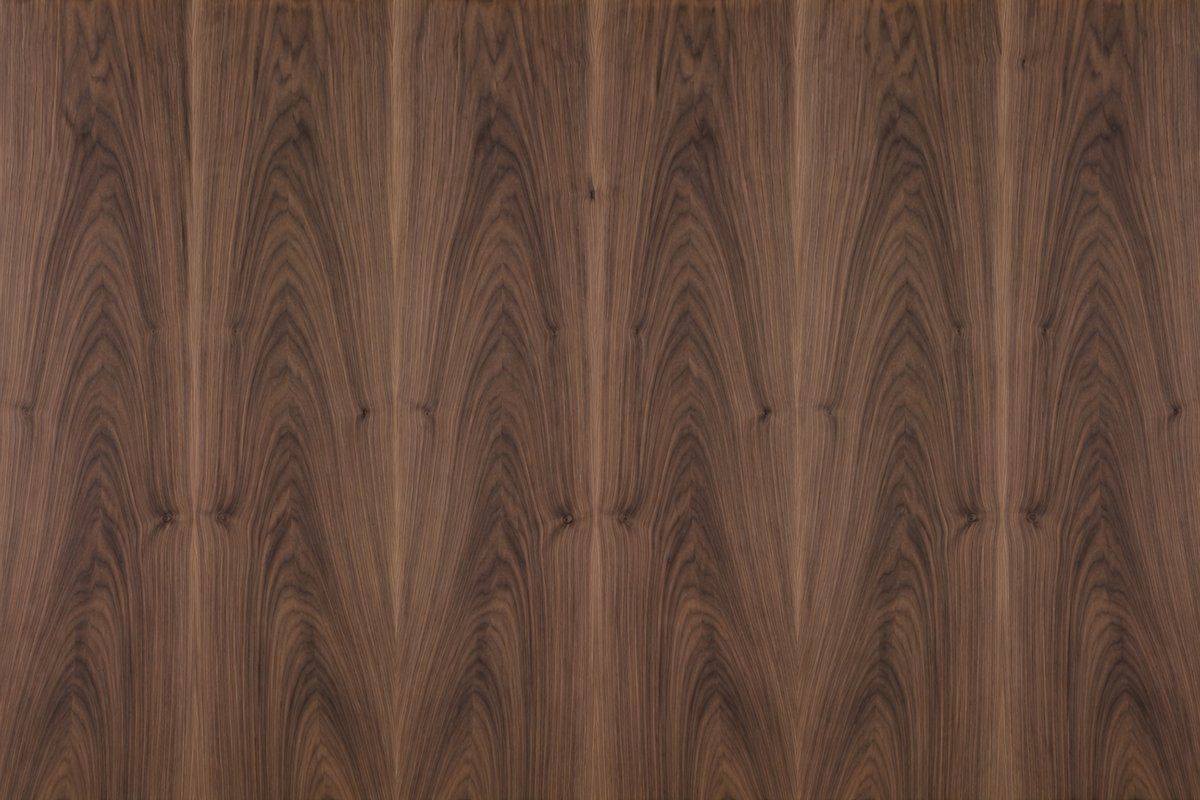
Book Match
Achieved when several adjacent leaves from the same log are placed in alternating fashion, like the pages of a book, and glued together.
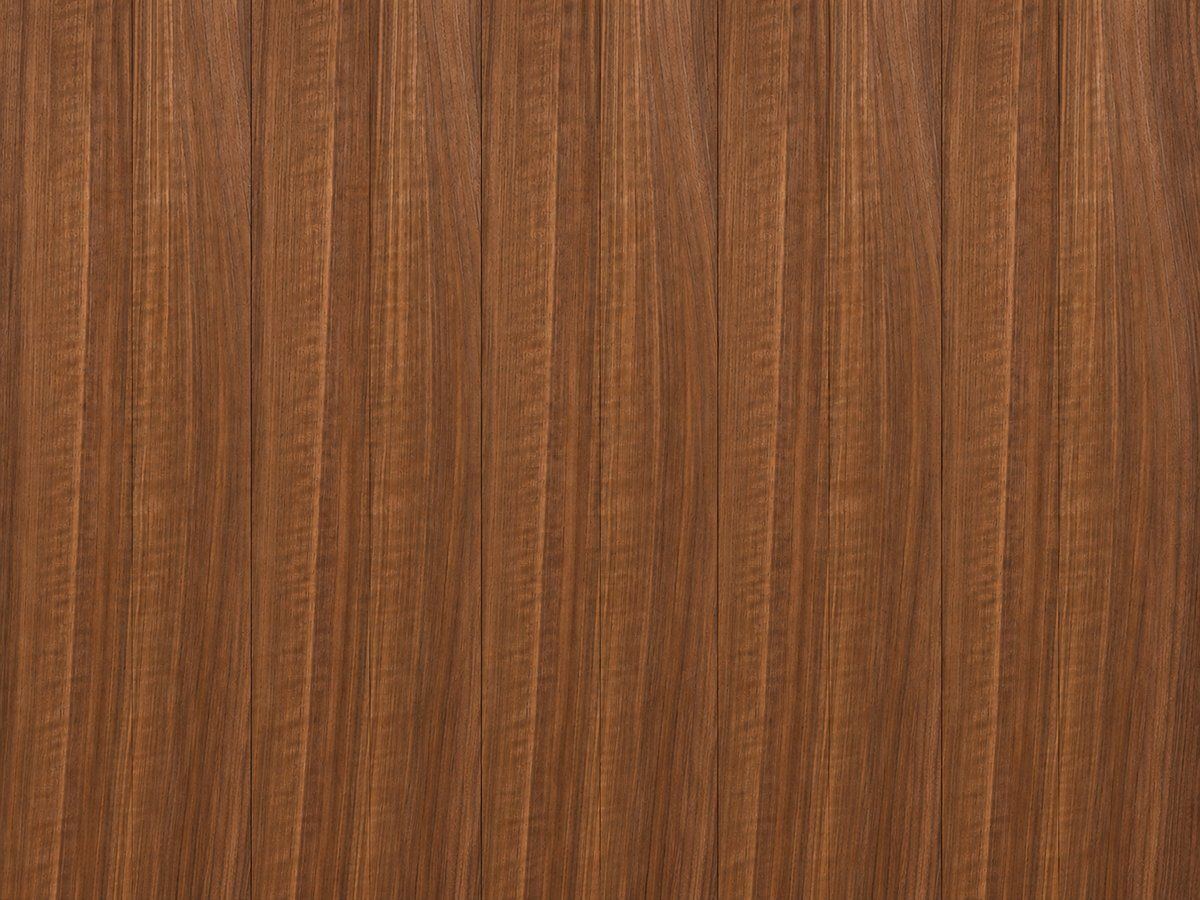
Slip Match
Achieved when several adjacent leaves from the same log are slid side by side, always facing the same direction, and glued together.
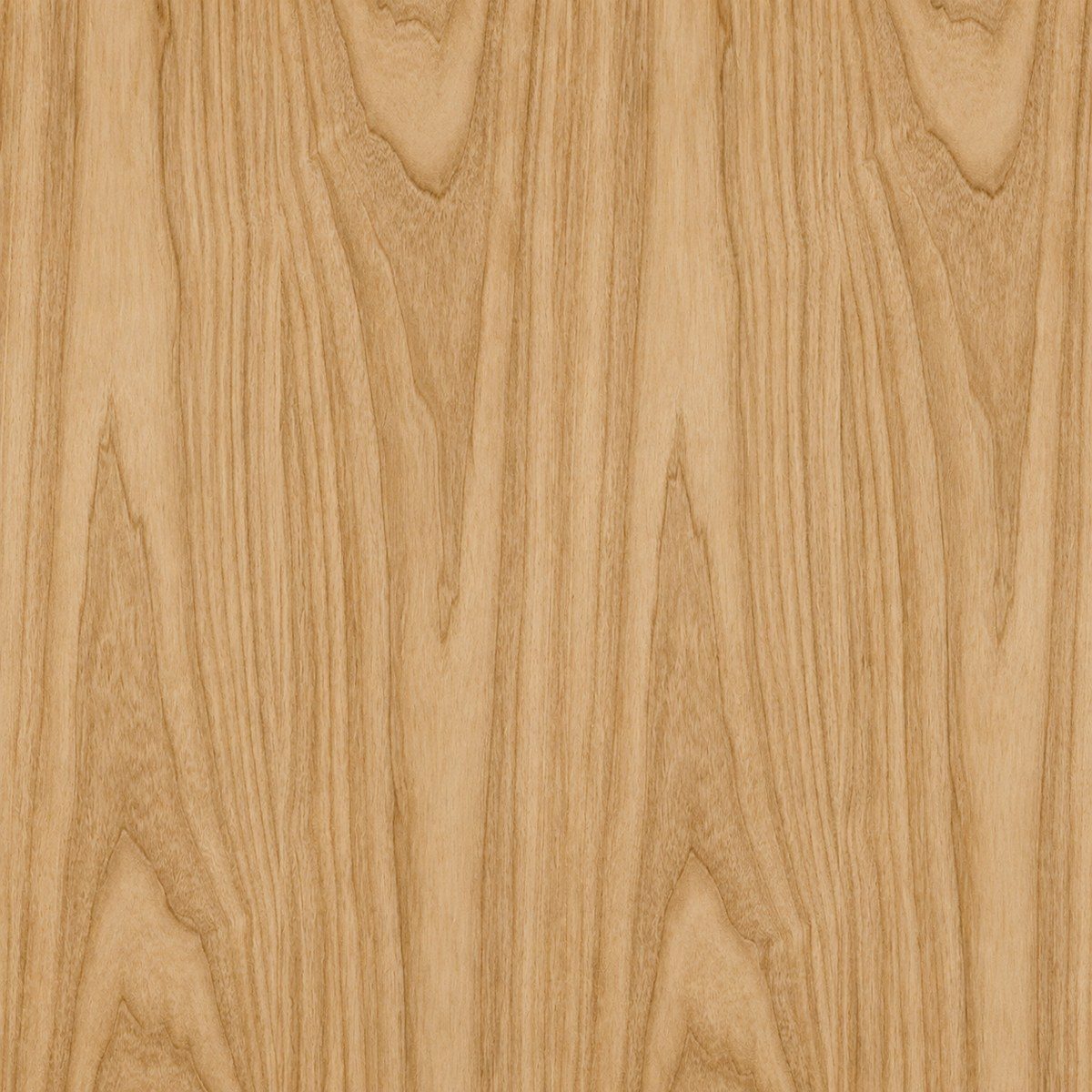
Slip and Swing Match
Achieved when adjacent leaves from the same log are flipped end for end in alternation, rather than slid in the same direction, creating a repeat pattern different from standard slip matching.
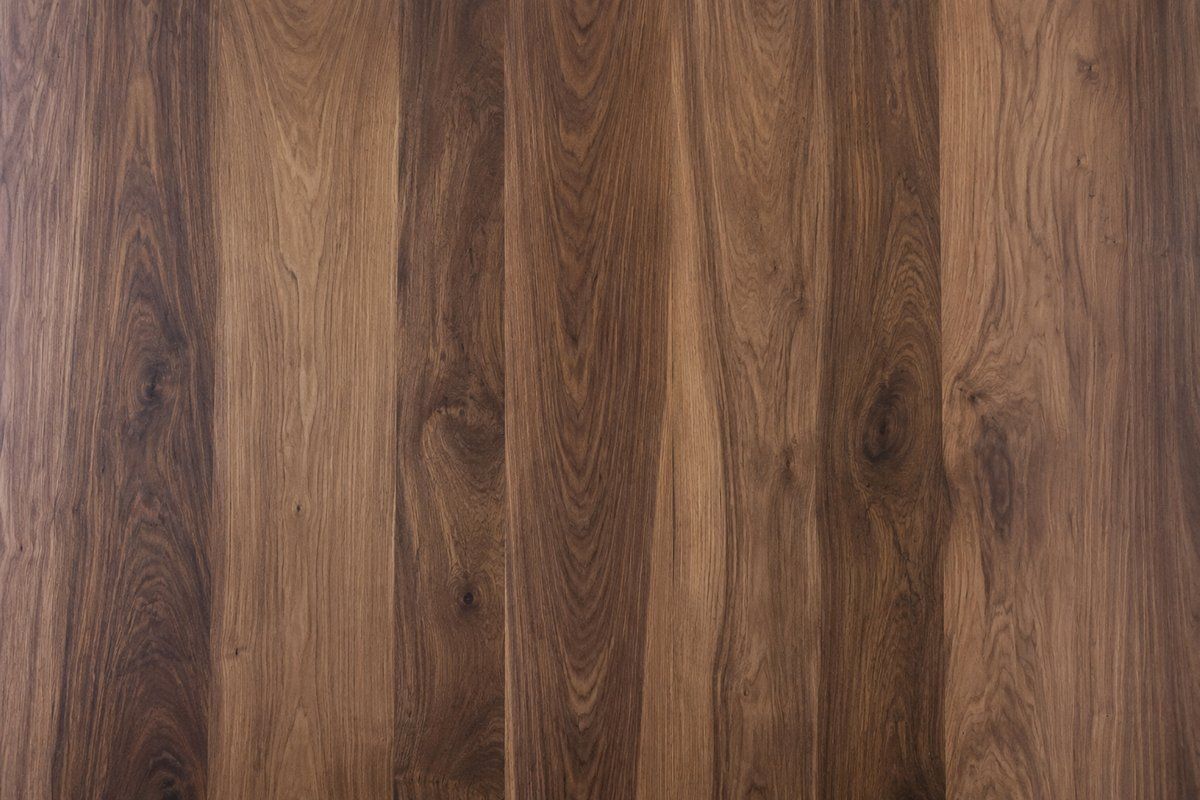
Random Match
The sheet is made of leaves of the same species, but with dissimilar grain and color, to simulate a plank effect.
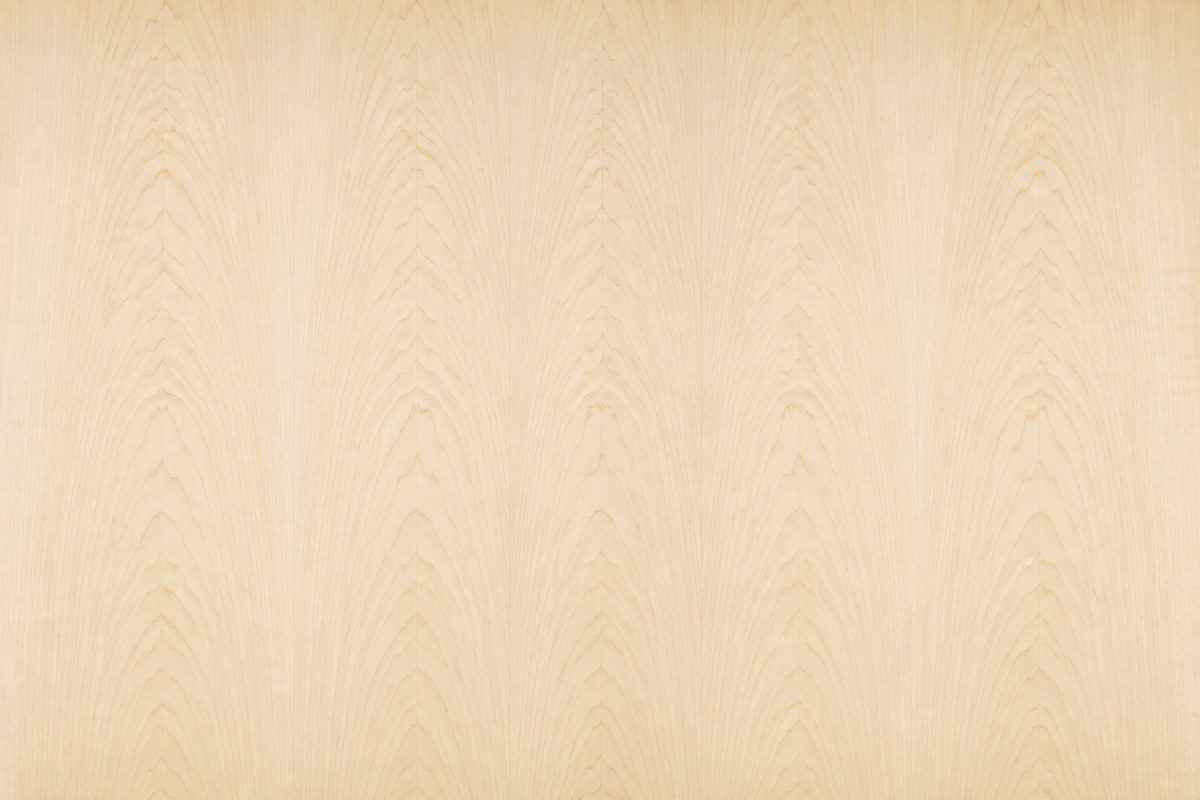
Balance Match
Each sheet is assembled from an even or odd number of leaves of uniform width.
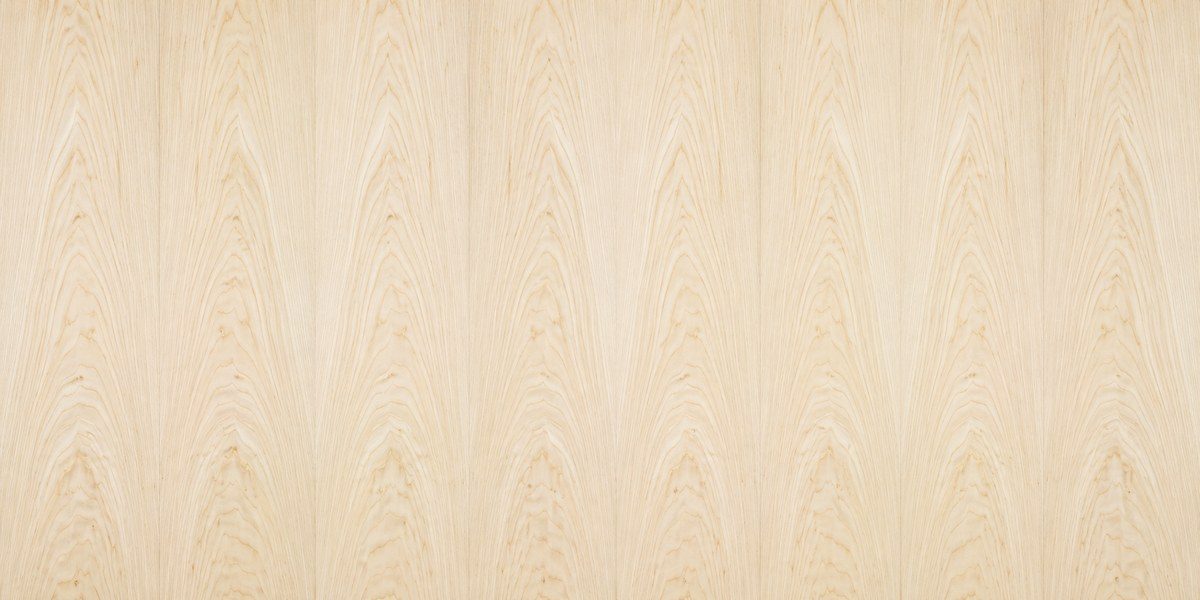
Balance & Center Match
Each sheet is assembled from an even number of leaves of uniform width, creating a joint at the center.
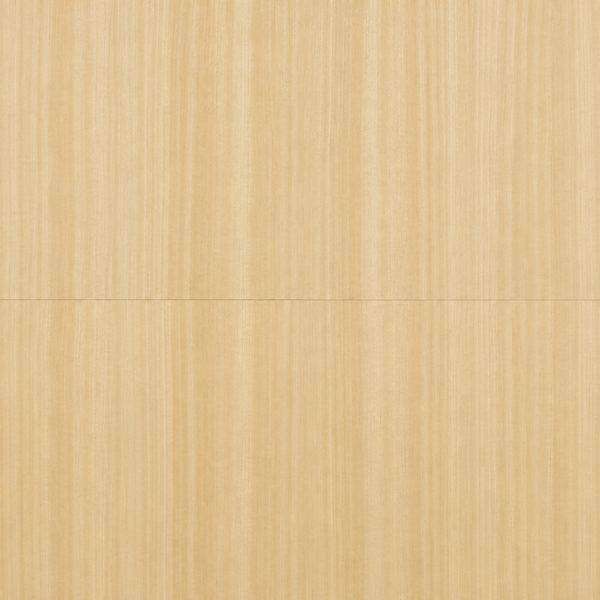
Reversed End Match
Achieved when leaves are joined end to end with alternating orientation, creating a mirror effect at the joint.
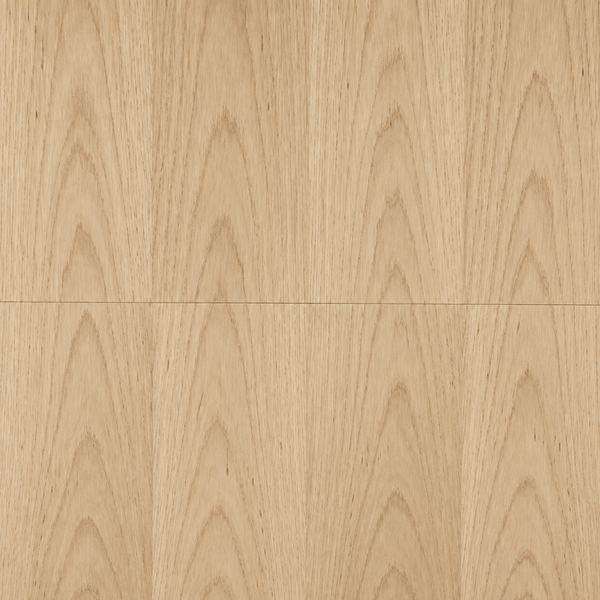
Continuous End Match
Achieved when leaves are joined end to end to extend the sheet's length, keeping the same grain direction from one leaf to the next.
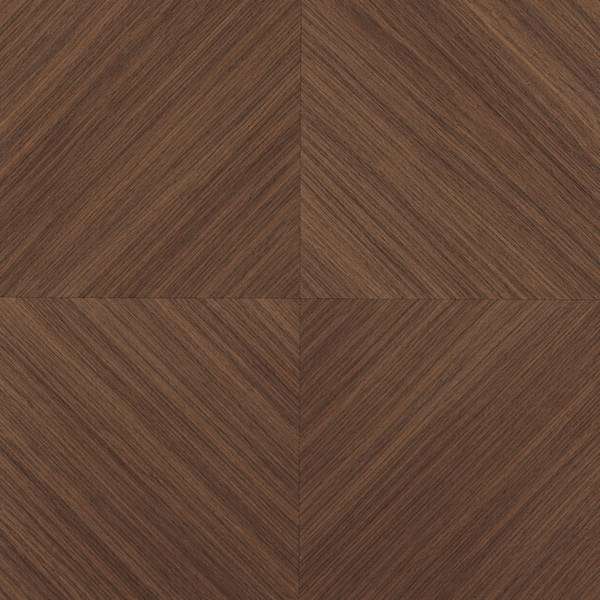
Diamond Match
Achieved by joining four leaves cut on the diagonal, with the grain of each pointing toward the center, creating a diamond-shaped pattern (shown here in walnut).
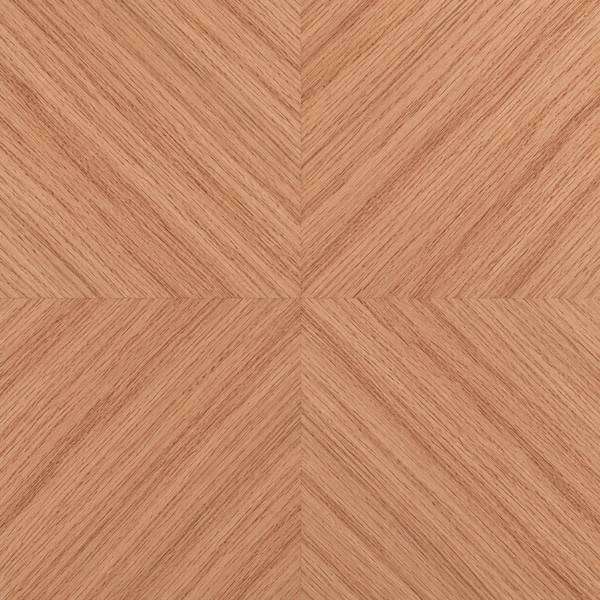
Reversed Diamond Match
Achieved by joining four leaves cut on the diagonal, with the grain of each running outward from the center, creating a radiating diamond pattern.
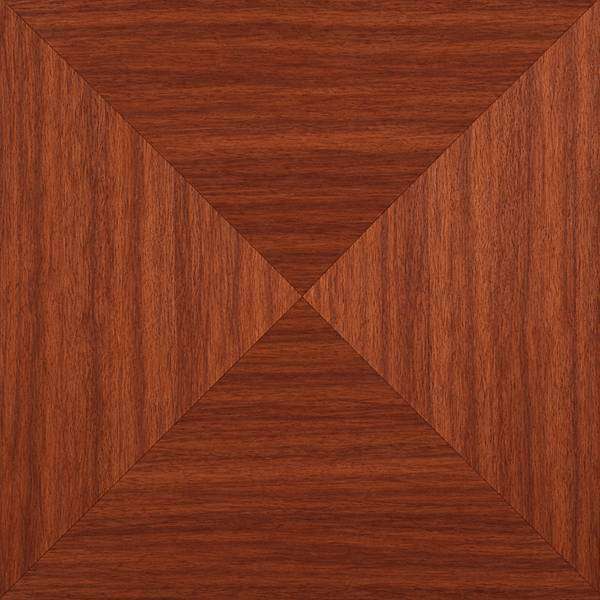
Box Match
Achieved by arranging four square-cut leaves, each rotated 90° from its neighbor, so the grain forms a checkerboard pattern around the center point.
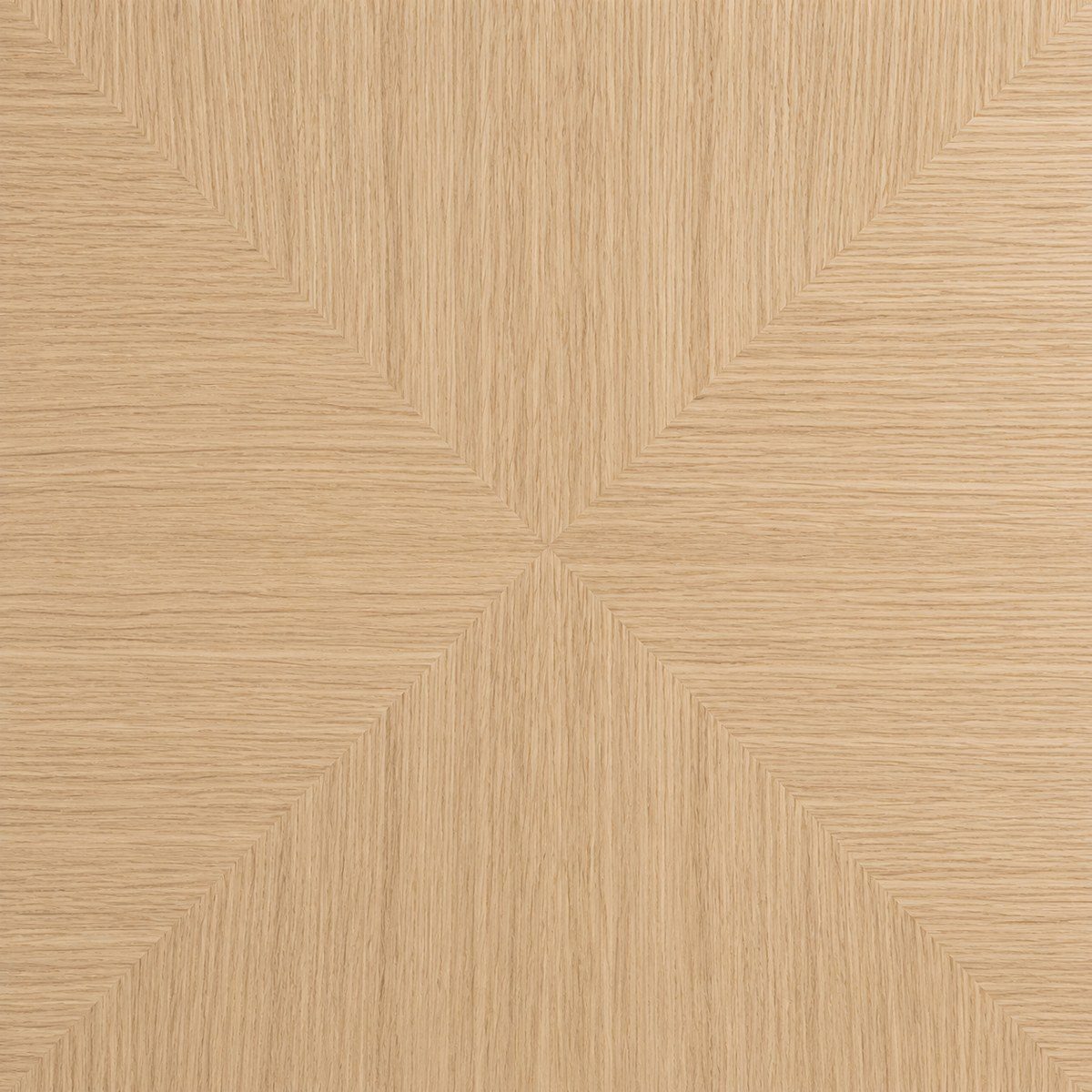
Reversed Box Match
Achieved by mirroring four square-cut leaves horizontally and vertically, rather than by rotation, so the grain reflects symmetrically across all four quadrants around the center point.
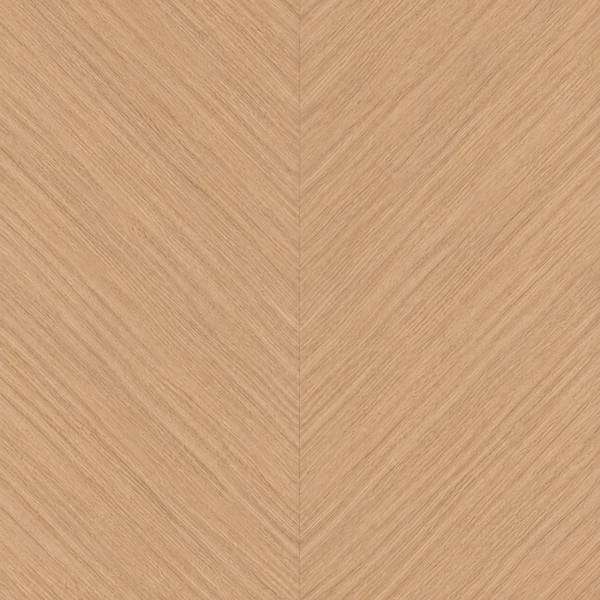
V Match
Achieved by joining two leaves cut on the diagonal and laid in mirror image, so the grain forms a single continuous V at the center of the panel.
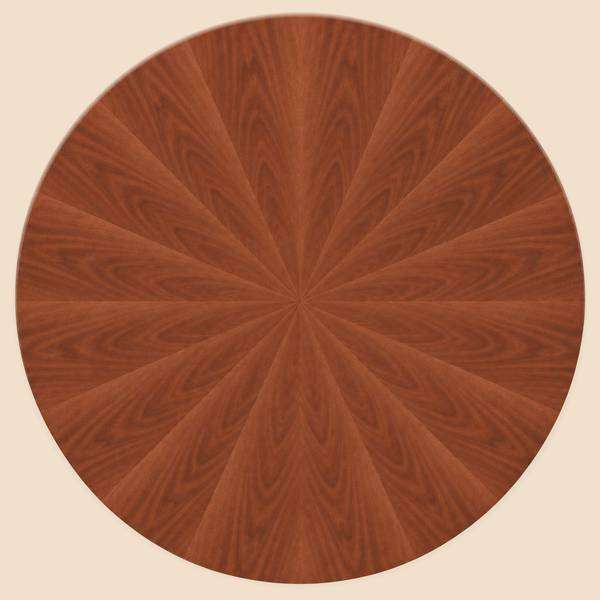
Sunburst Match
Achieved by arranging numerous triangular leaves around a central point, with the grain of each radiating outward, forming a circular sunburst medallion.
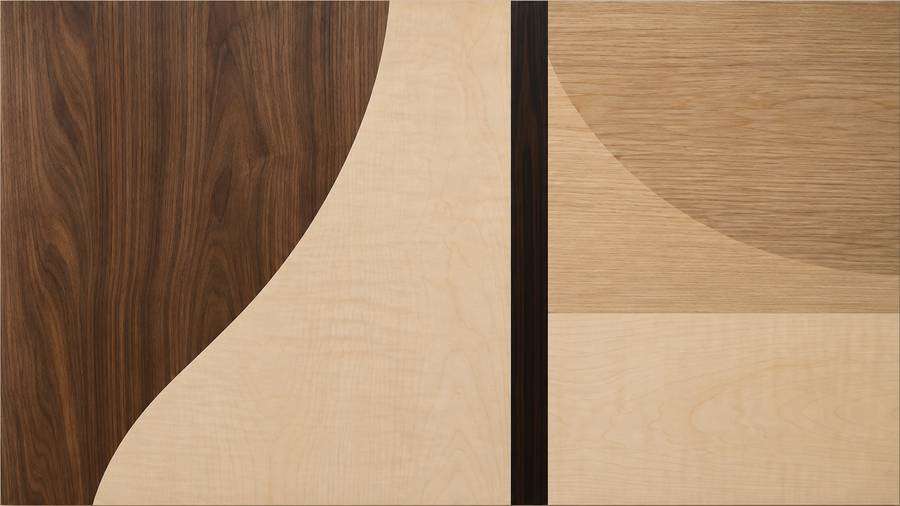
Marquetry
A free-form assembly technique where different veneer species and colors are cut and juxtaposed to create a decorative or artistic composition, rather than a repeating geometric pattern like the matches above.
A question about the cut or matching best suited to your project? Our team can guide you before you even prepare your quote. See also our veneer matching guide.